
Tasting Tokyo: The Art of Gyoza
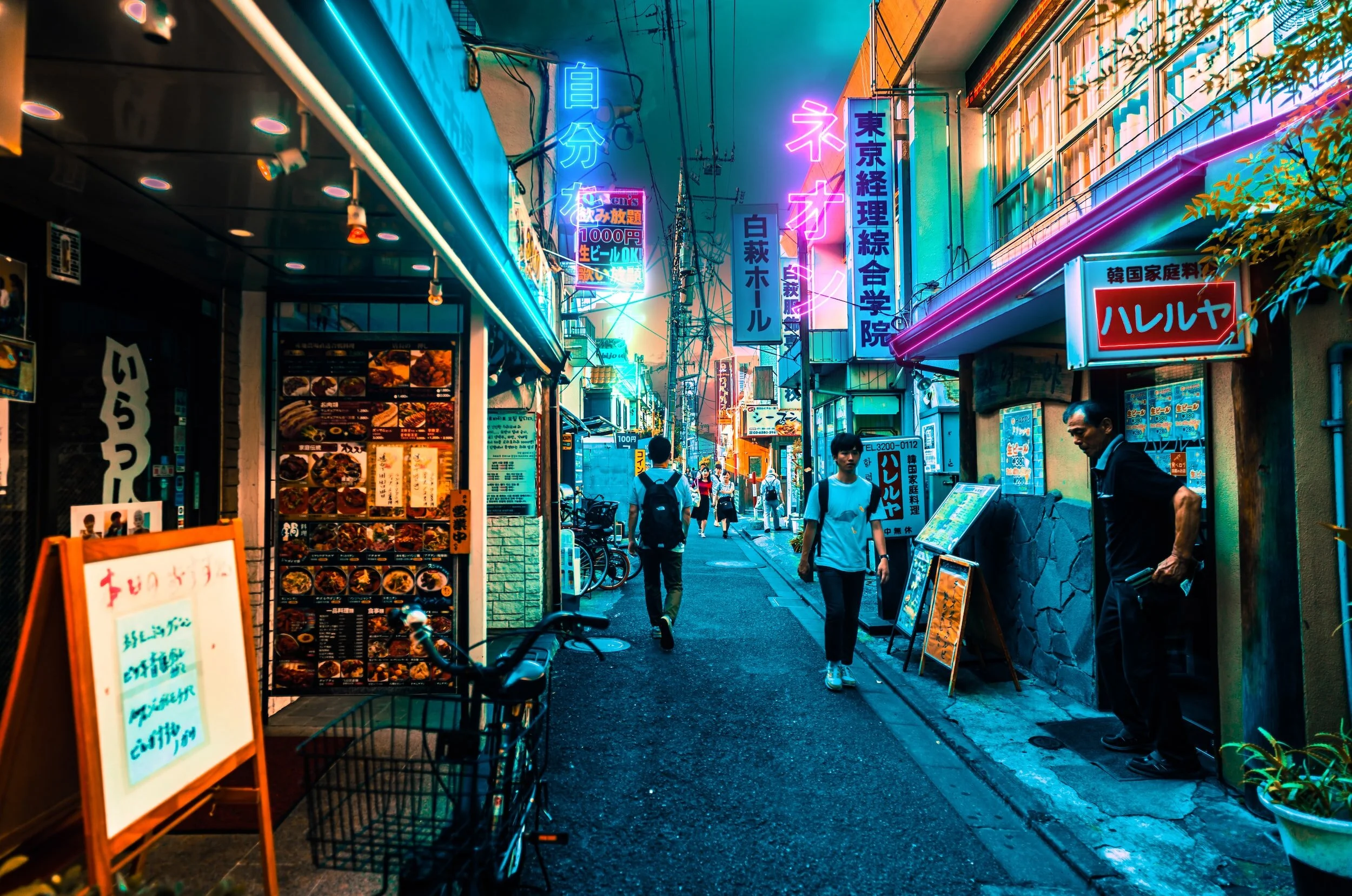
Visiting Tokyo…
Tokyo is filled to the brim with unique experiences, culture that seamlessly combines the old and new, and culinary adventures that never fail to disappoint, making it one of my favorite cities.
Among the city’s abundance of mouthwatering dishes to sample, I was particularly eager to try gyoza, a comfort food that holds a special place in the hearts of both locals and visitors alike. These delicious dumplings have become a staple of Tokyo’s vibrant food scene and can be found in countless restaurants throughout the city.
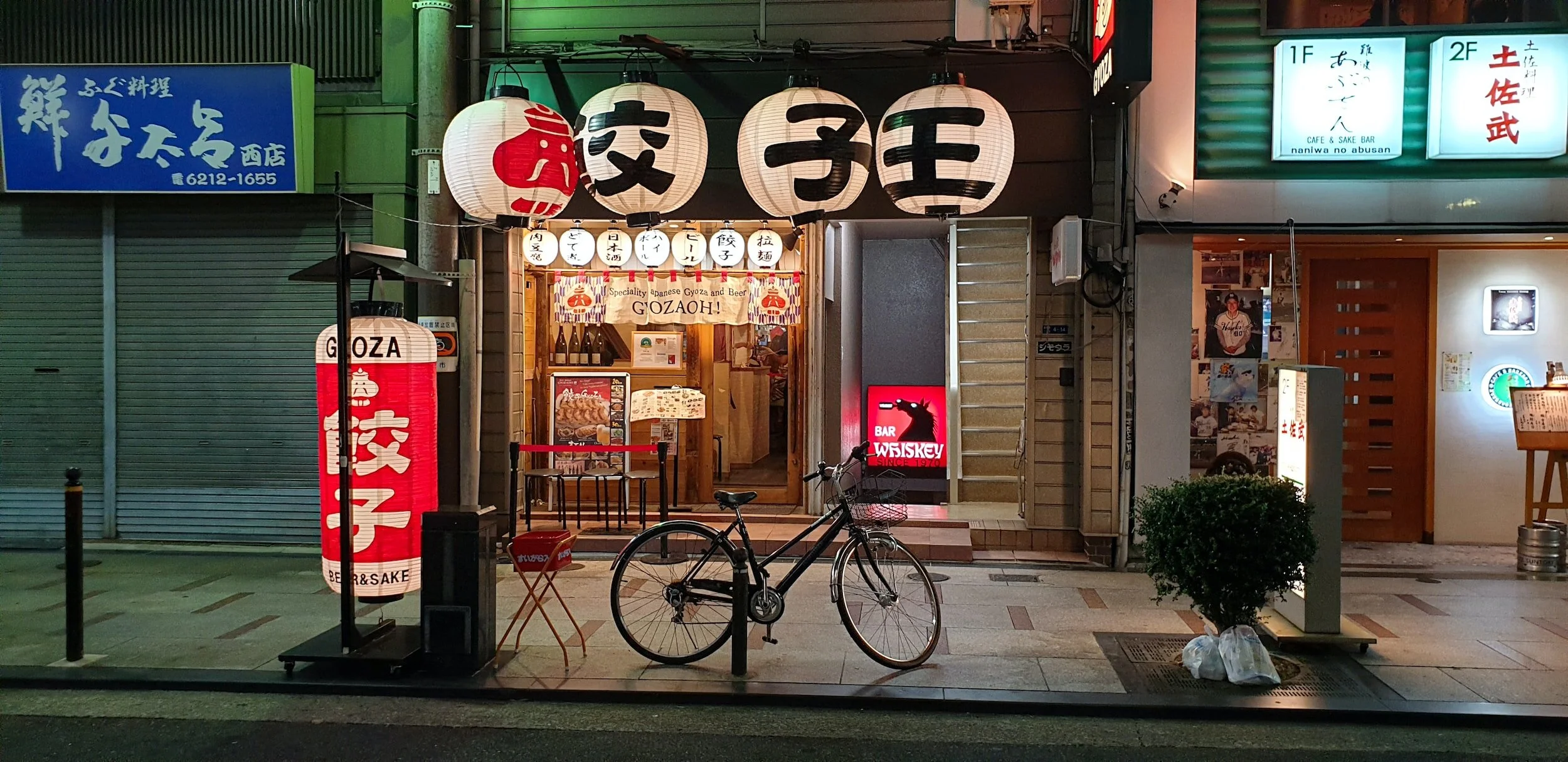
Trying gyoza…
One of my first lunches in Tokyo was at a small but bustling gyoza shop in Harajuku called, Harajuku Gyoza Lou. The restaurant exclusively sold gyoza and your only customization options were fried or steamed, and with or without garlic.
We sat at a wooden, bar-like table facing the cooks and watched them prepare our meal. Since the restaurant was small, it was hard to talk over the loud sizzle of steam, and we felt every blast of heat from the nearby stove. Even the air inside was warm, smokey, and seasoned.
The dumplings were crispy on the bottom, and the filling was full of umami flavor which was enhanced by the simple dipping sauce of soy sauce and mirin - the only two condiments on the table.
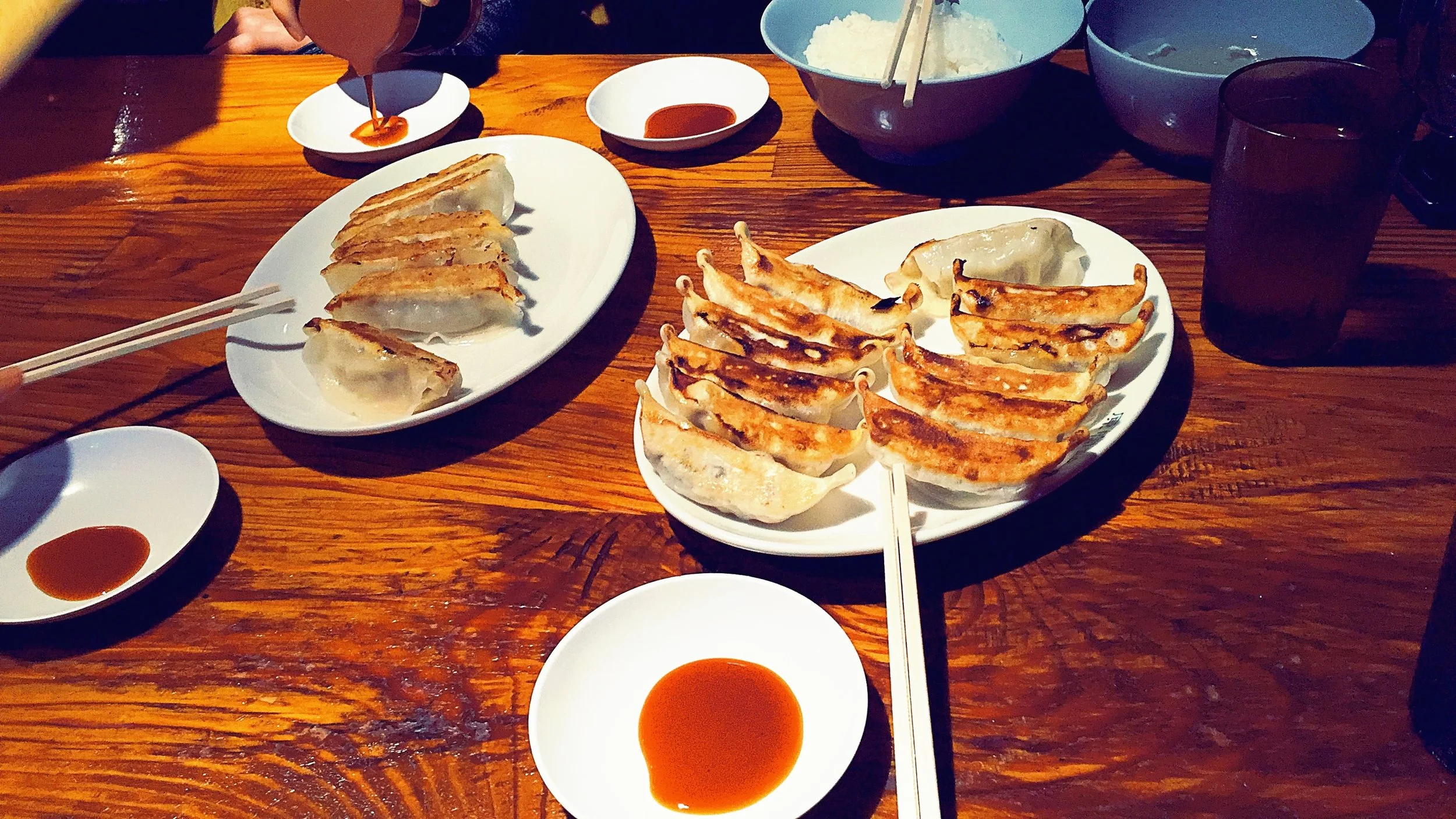
Sitting at the small restaurant and enjoying fresh gyoza was one of my favorite dining experiences in Japan. I haven’t been back to the country for years, but I can still recall my favorite meals and memories with detail, as they left a lasting impression on me.
Authentic gyoza was something I wanted to try for so long, and I was so thankful to finally try them in the heart of a vibrant city with friends by my side.
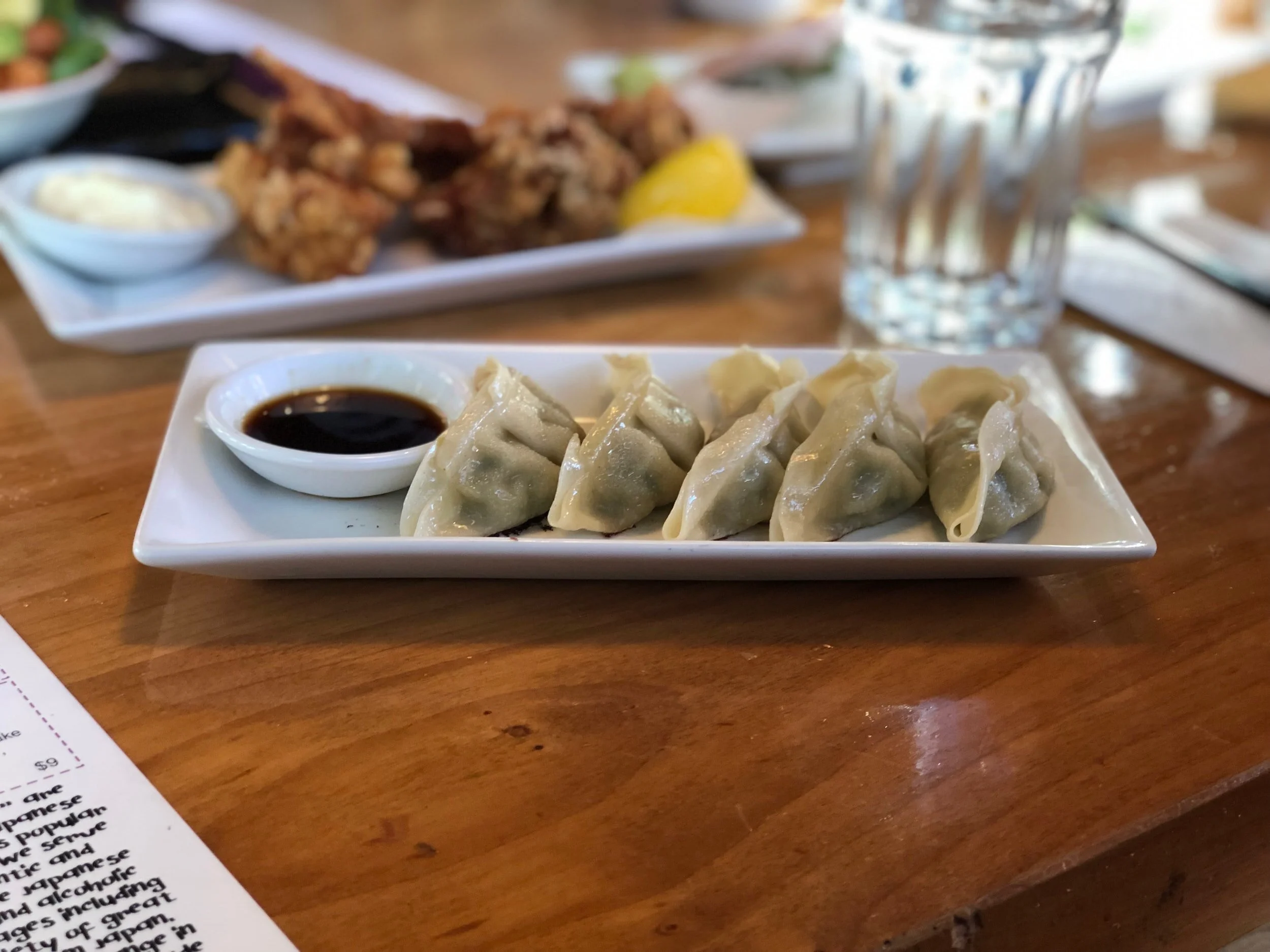
Learning how to make gyoza…
While still in Japan, I bought 2 cookbooks on essential Japanese cooking. I wanted to learn the proper technique behind some of my favorite Japanese dishes and ensure that I was able to recreate them as close to authentically as possible.
Gyoza was one of the first Japanese dishes I learned how to make confidently, and over the years I’ve experimented with different fillings, such as switching out meat for seafood, and trying different vegetables based on what was in season; however, I always find myself going back to the classic pork and cabbage filling that reminded me of the small, bustling shop in Harajuku.
If you’re new to Japanese cooking, gyoza is such a great introductory dish. It’s filled with classic Japanese flavors, and uses ingredients that are easy to find in your local grocery store. The hardest part is the wrapping, but even that becomes simple and mindless with practice.
Here is my favorite recipe for fried gyoza…
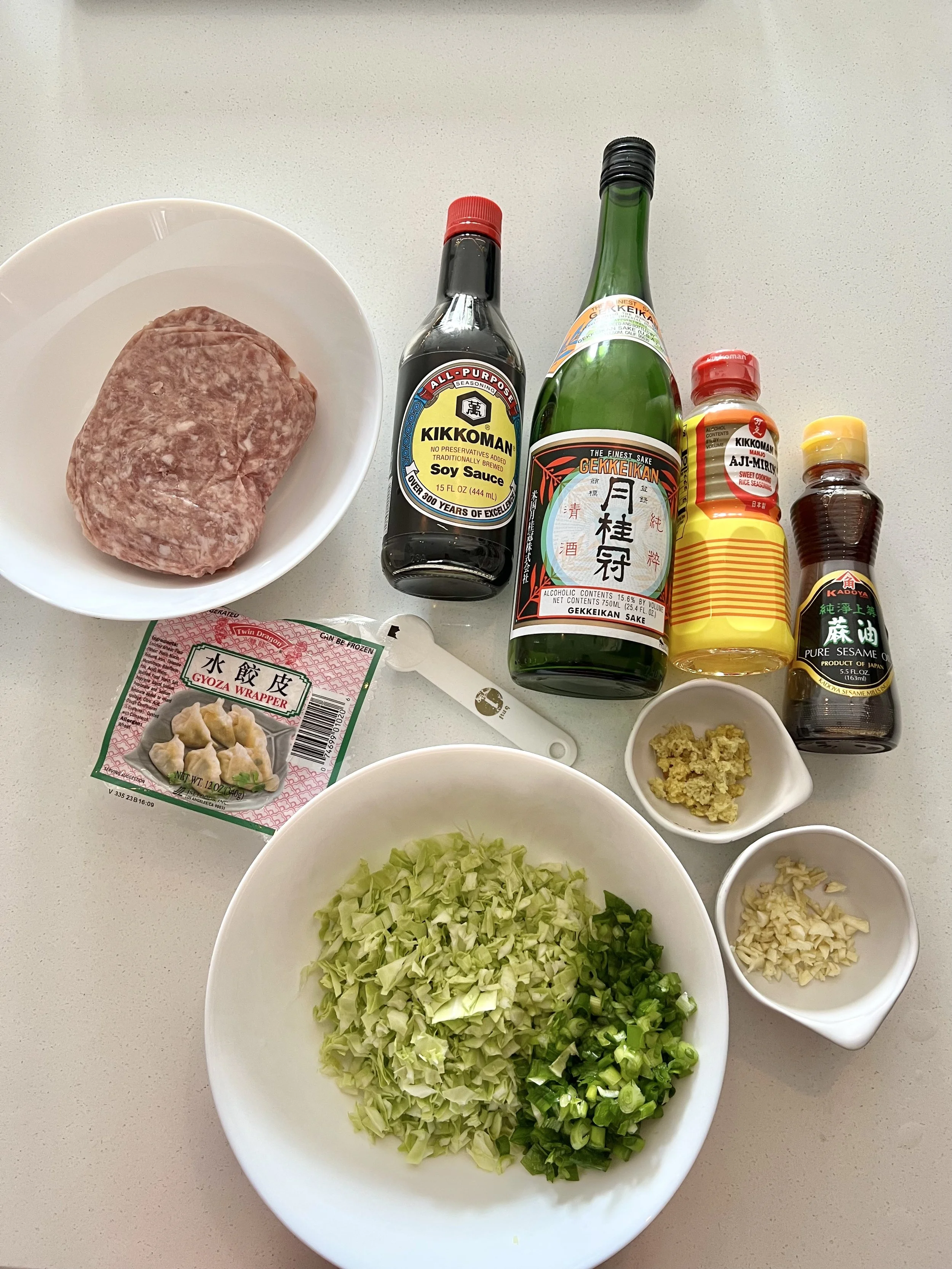
Ingredients:
Wrappers:
Packaged dumpling wrappers (50 count)
pinch of cornstarch
Filling:
1 lb (453g) minced pork
4-5 (150g) cabbage leaves
5 (50g) garlic chives (aka chinese chives)
5 (50g) green onion
1/2 tsp salt
1/2 (17g) tbsp grated ginger
2 (12g) cloves of garlic
2 tsp sugar
2 tbsp soy sauce
2 tbsp sake
1 tbsp sesame oil
Black pepper (to taste)
Dipping Sauce:
2 tbsp mirin (sweet rice wine vinegar)
2 tbsp soy sauce
Directions:
Prepare vegetables
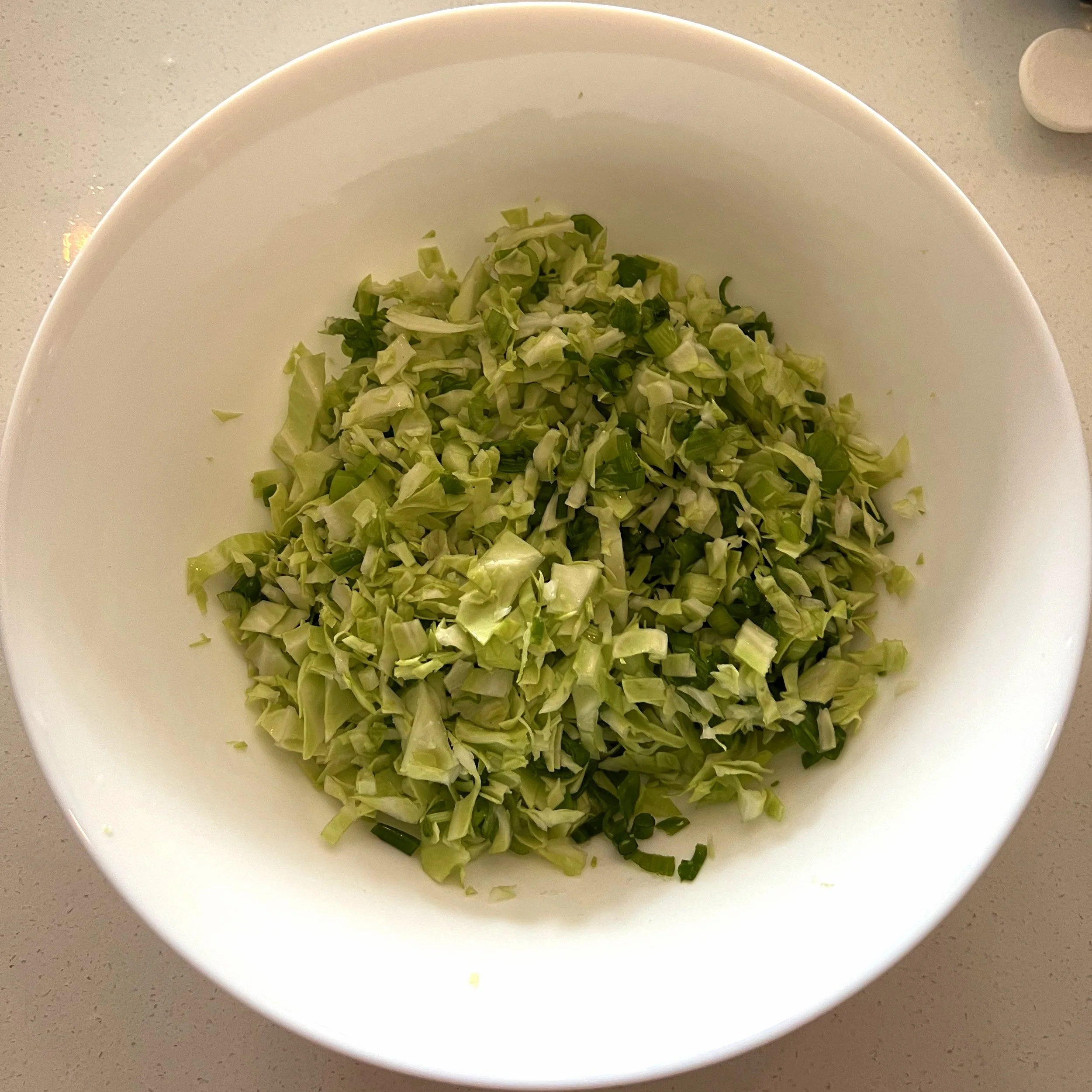
Remove the cabbage core and finely chop the cabbage, chinese chives and green onion.
Sprinkle with salt, mix, and set aside.
Make filling
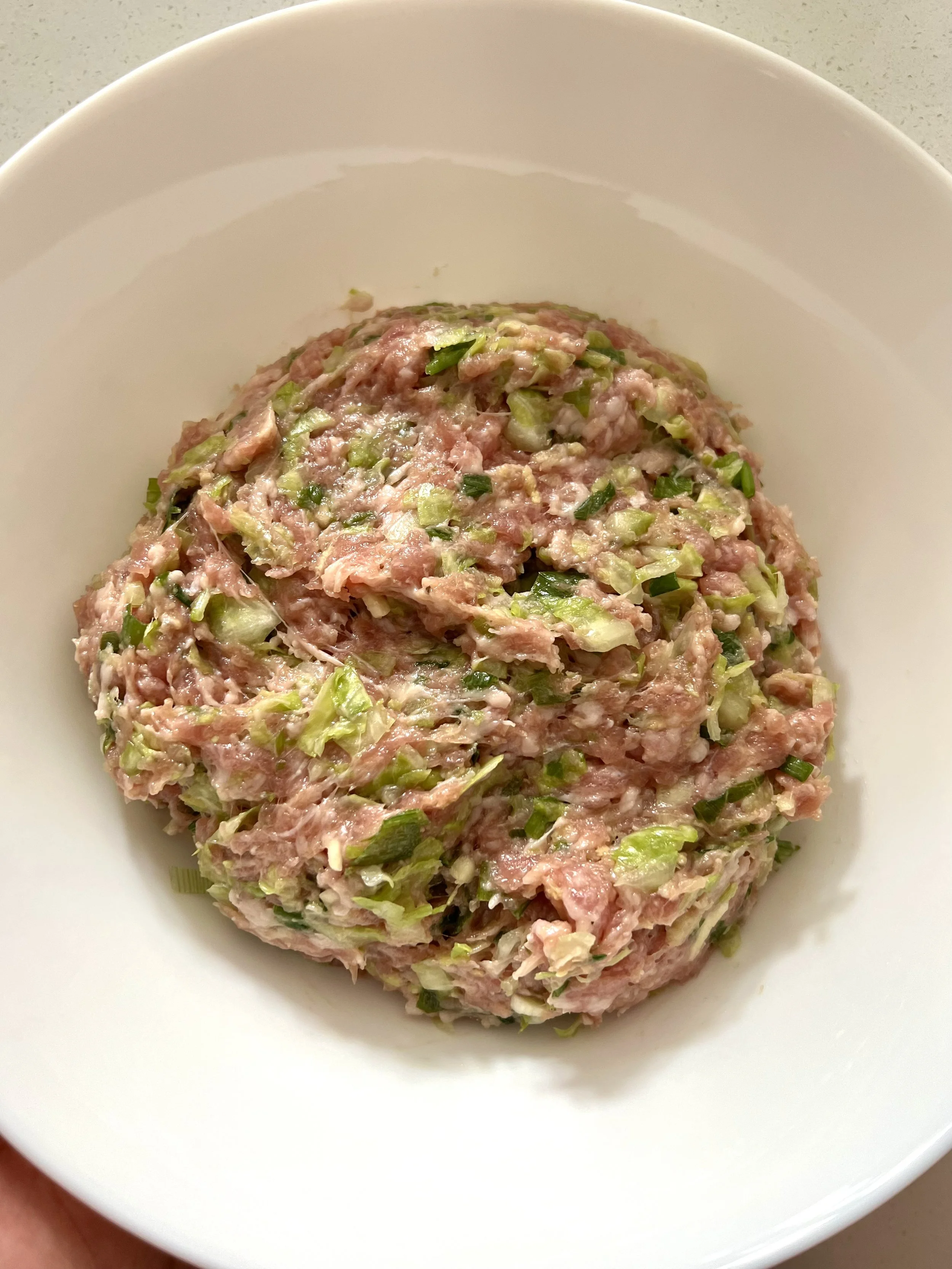
3. Add Sugar, soy sauce, sake, sesame oil and pepper to pork and mix by hand until sticky.
4. Add grated ginger and garlic to pork mixture.
5. Squeeze excess water from the cabbage-onion mixture.
6. Add it to the pork mixture and mix well.
Fill wrappers
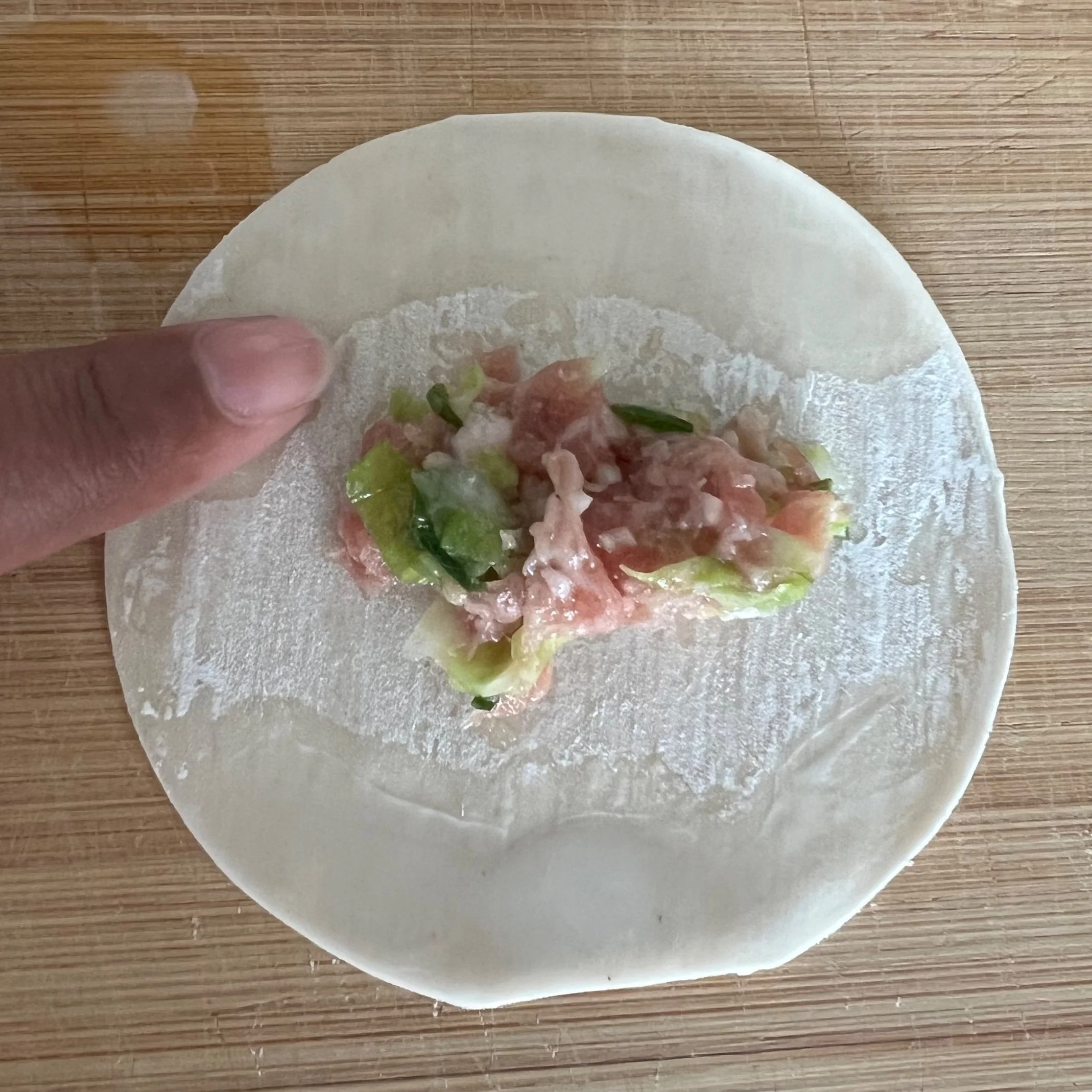
7. Put a small dollop of filling on the center of a dumpling wrapper.
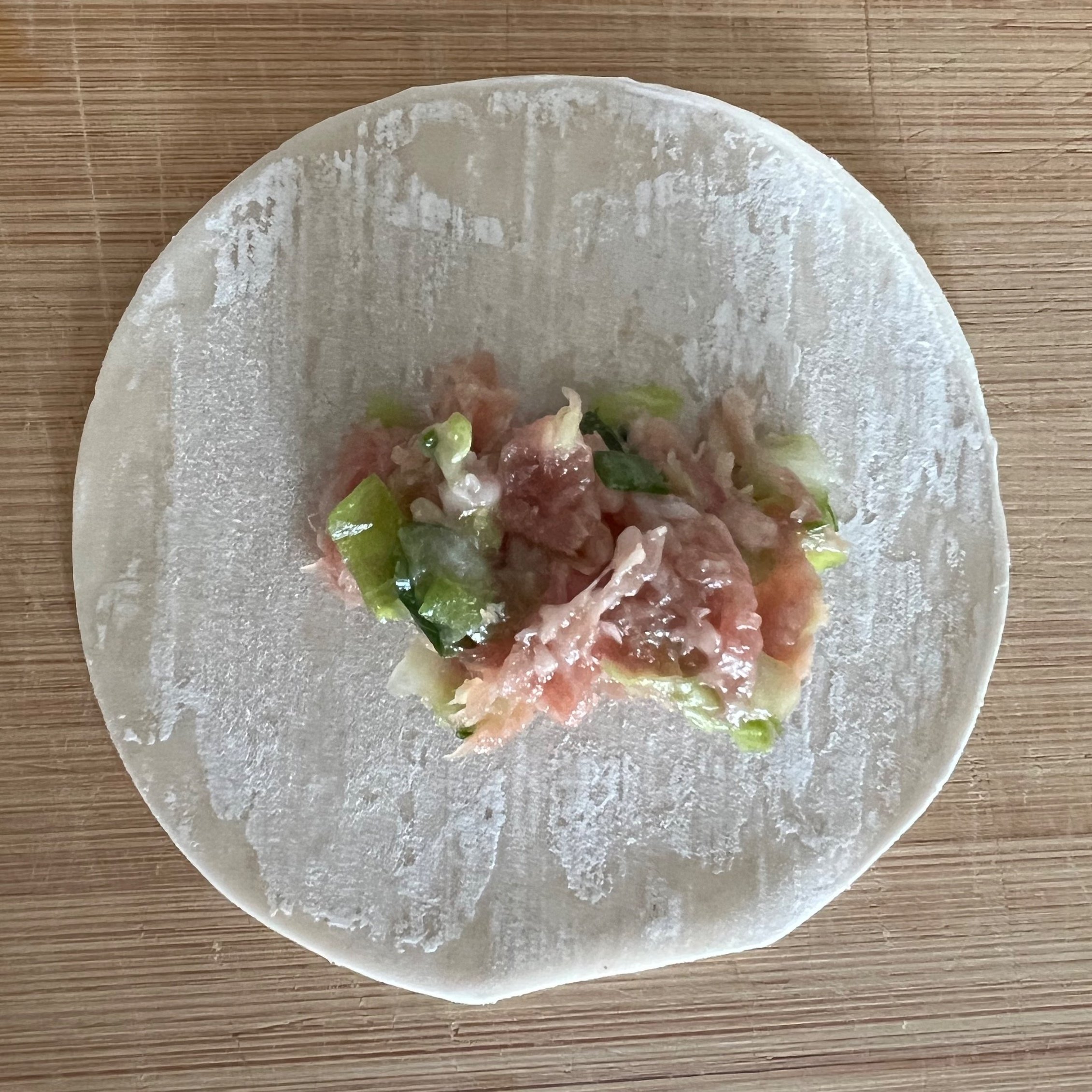
8. Wet the edges with water.
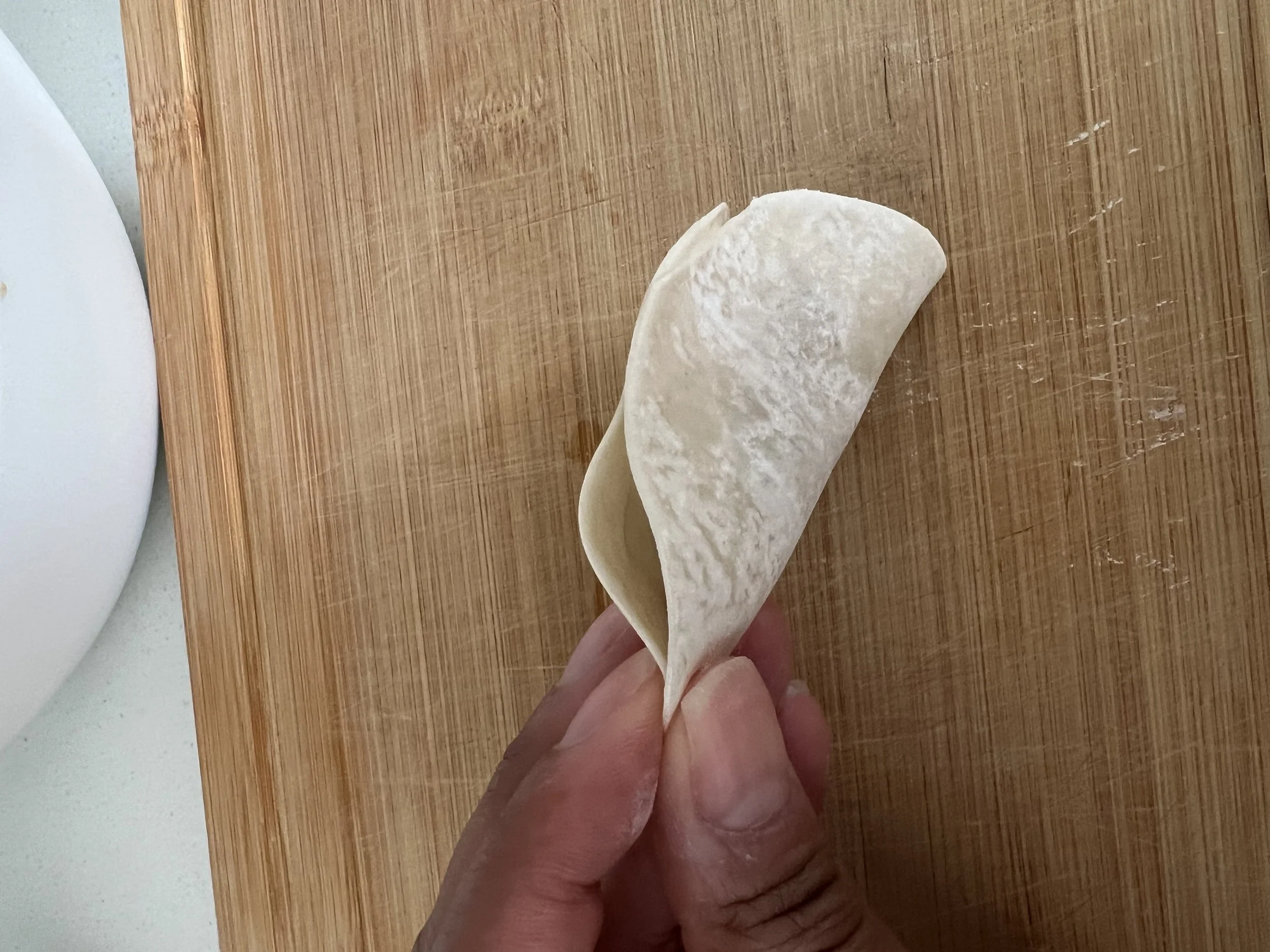
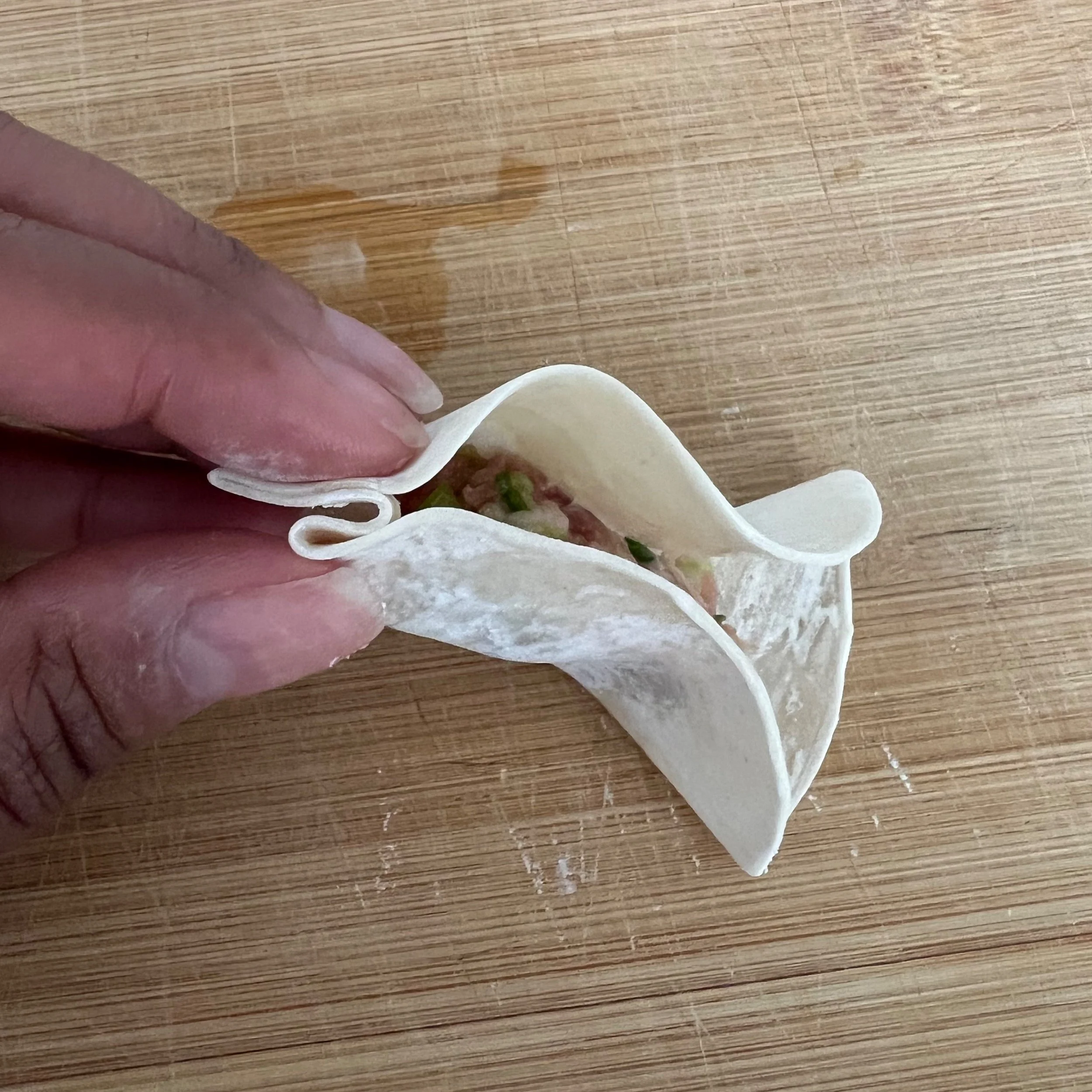
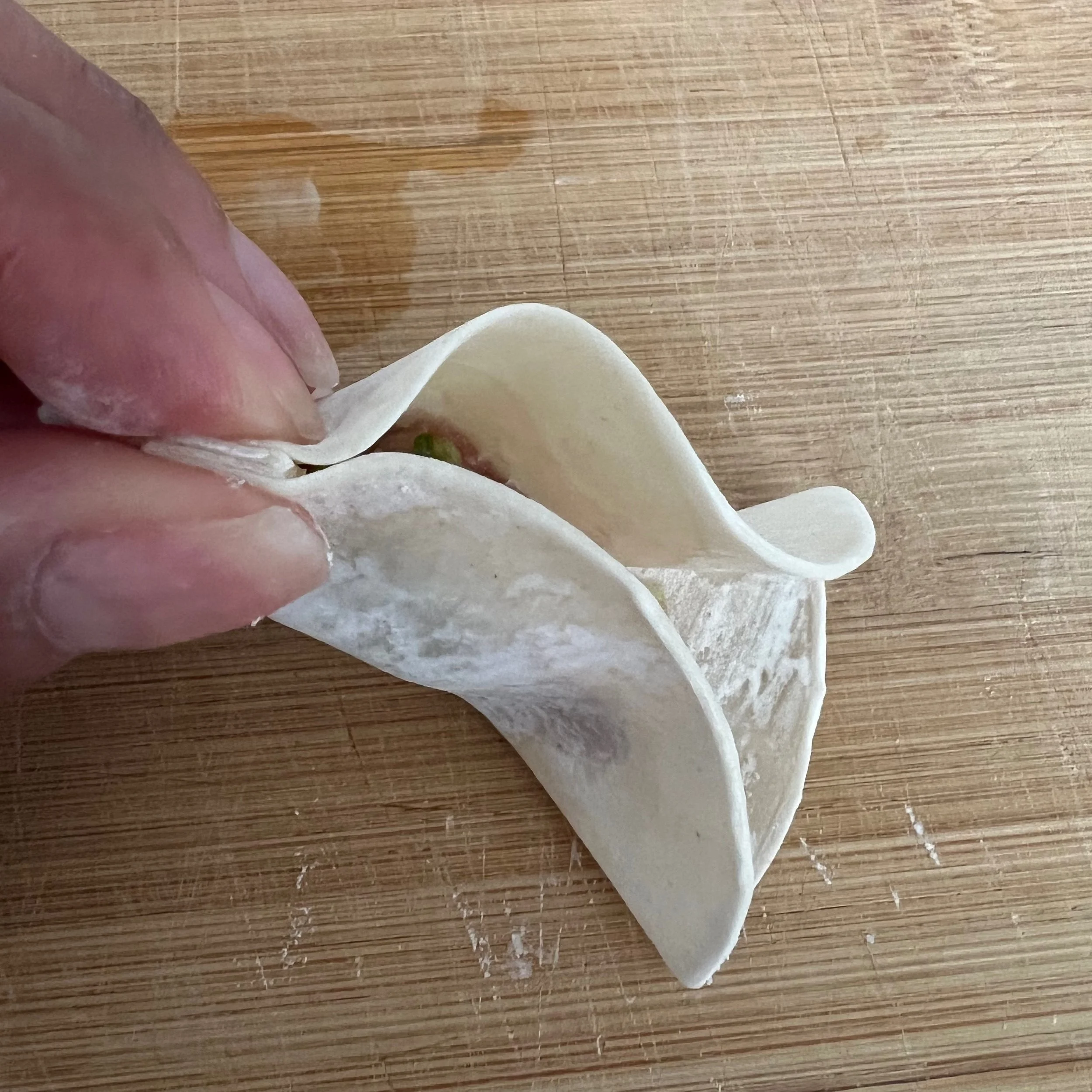
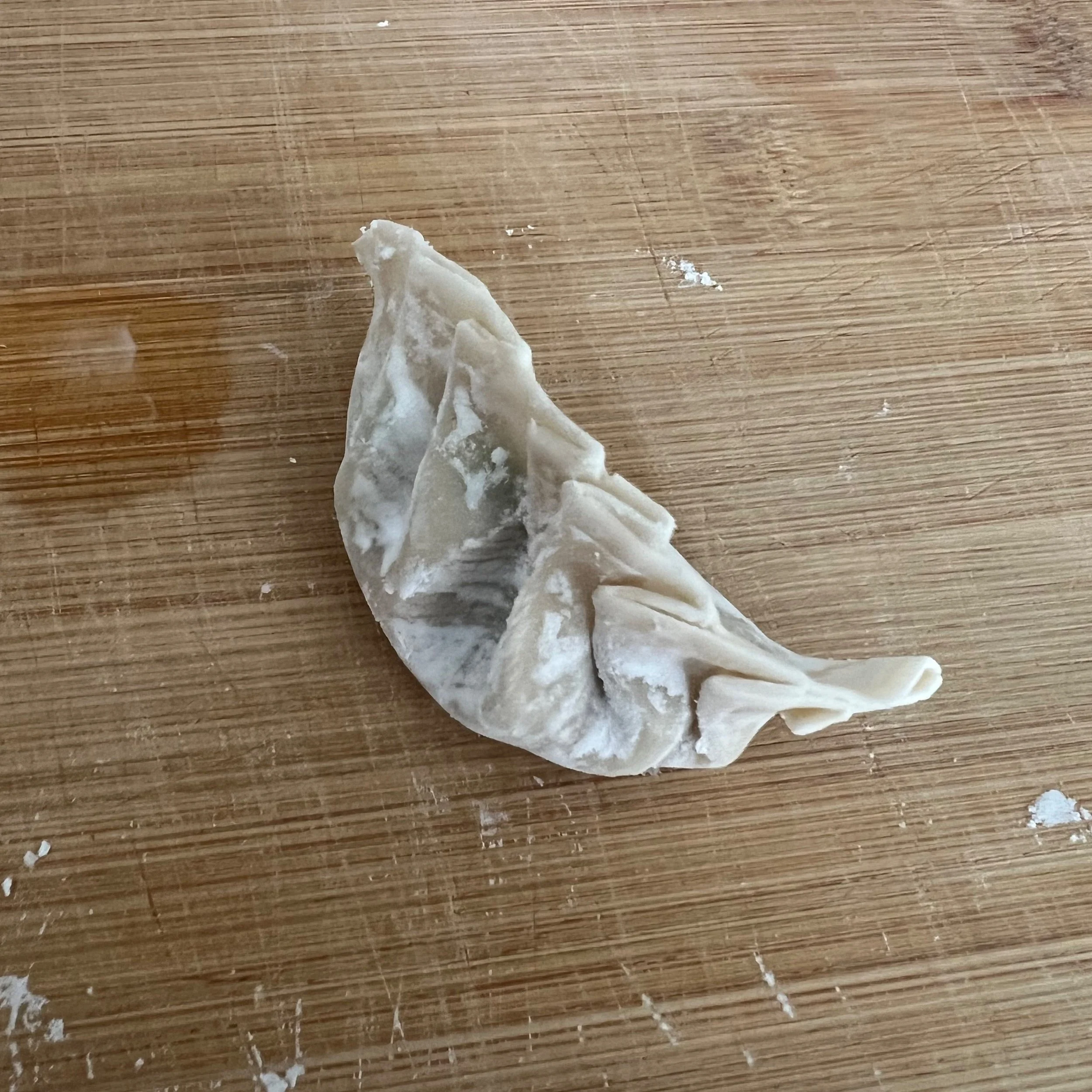
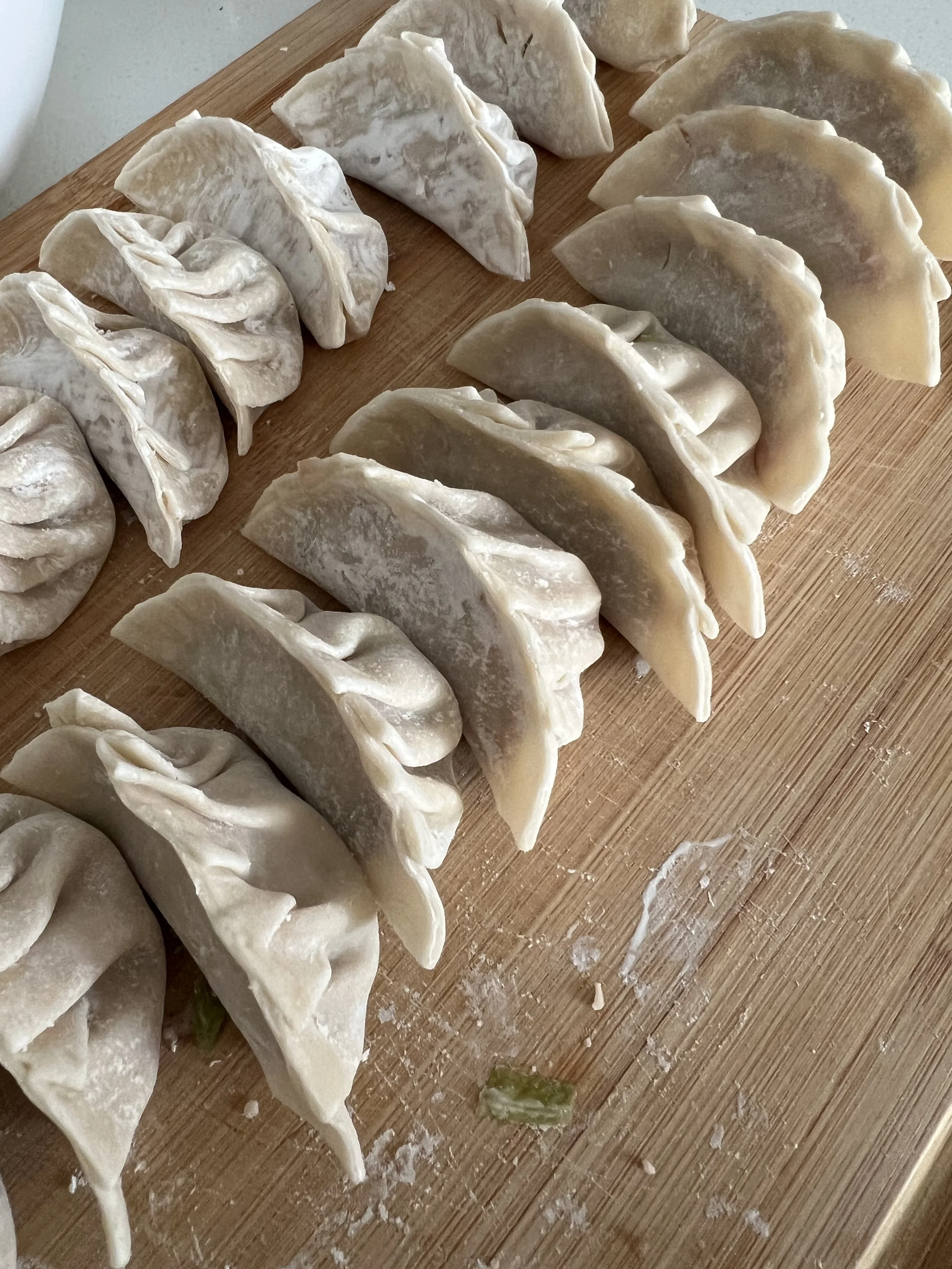
9. Fold the wrapper in half and wrap the filling by making pleats on one side.
Fry
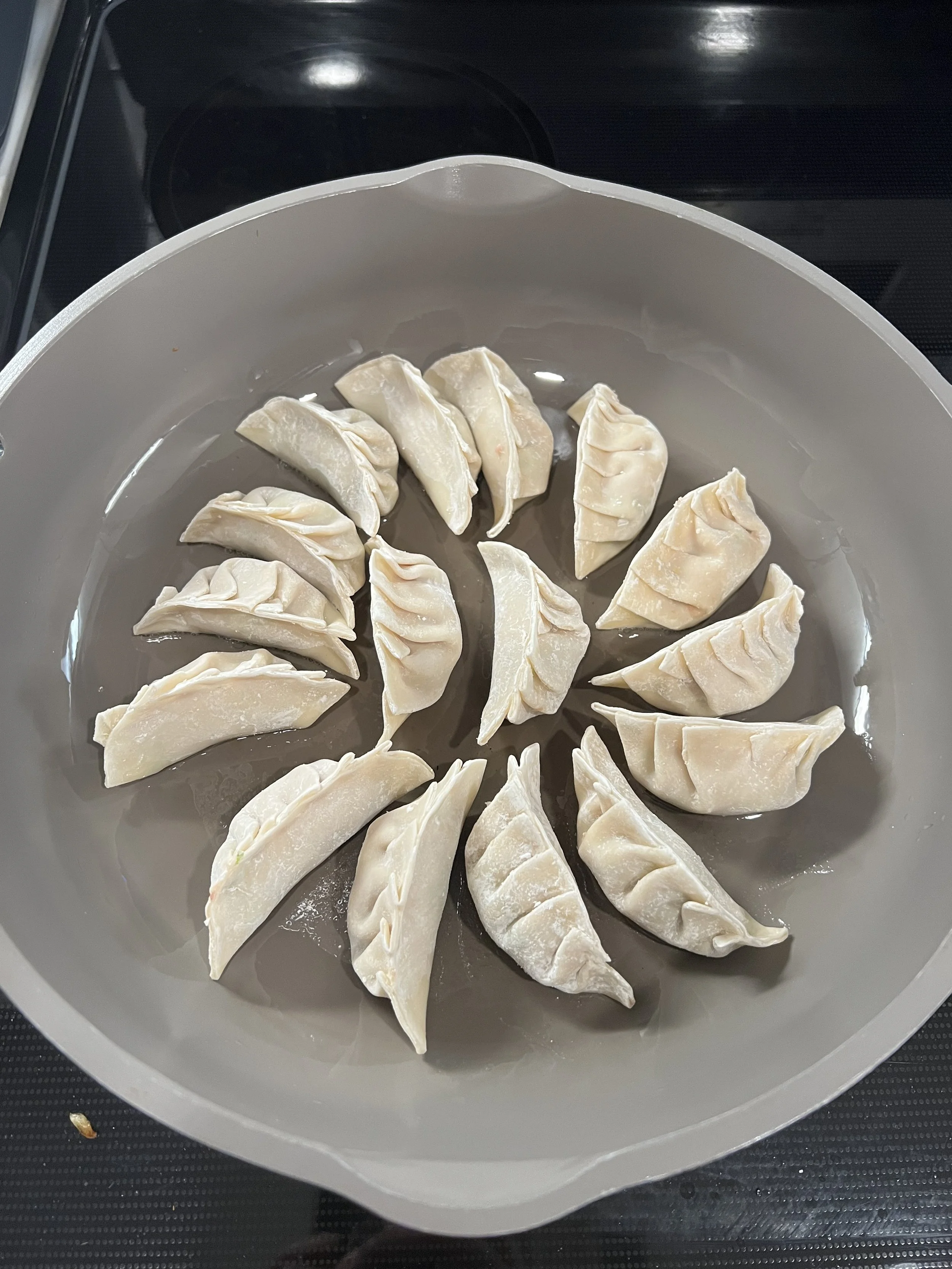
10. Lightly coat the pan with neutral oil and heat on medium-low until the pan is hot.
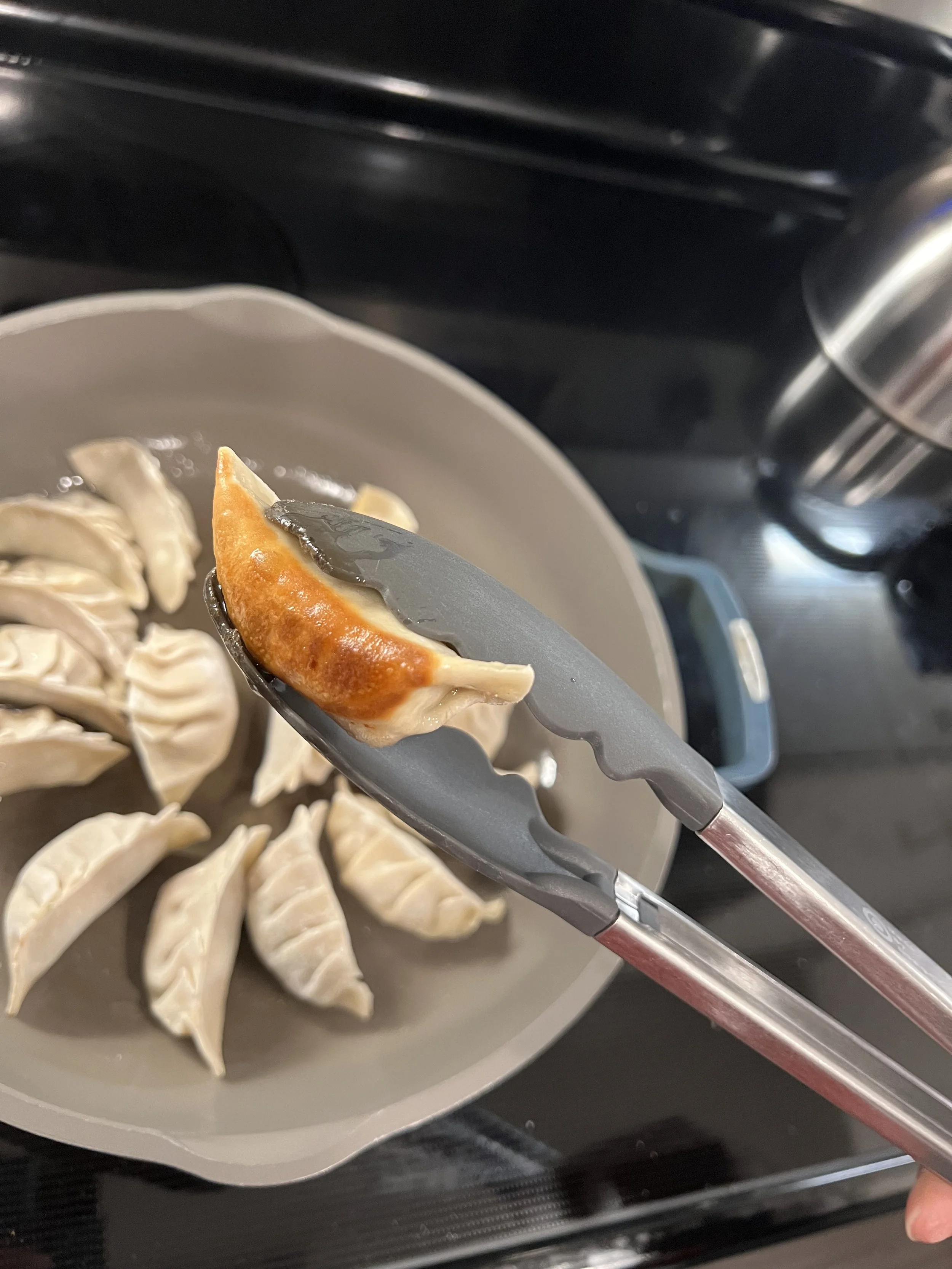
11. Add the gyoza to the pan and cook until the bottoms of the dumplings are golden brown (about 3-3.5 minutes).
12. Carefully pour ~½ cup of water to the bottom of the pan and cover with lid quickly, taking care not to burn yourself as it will splatter when the water meets oil.
13. Steam covered for 5-6 minutes
14. After 5-6 minutes, uncover and continue to cook until all water has evaporated and the pan is dry.
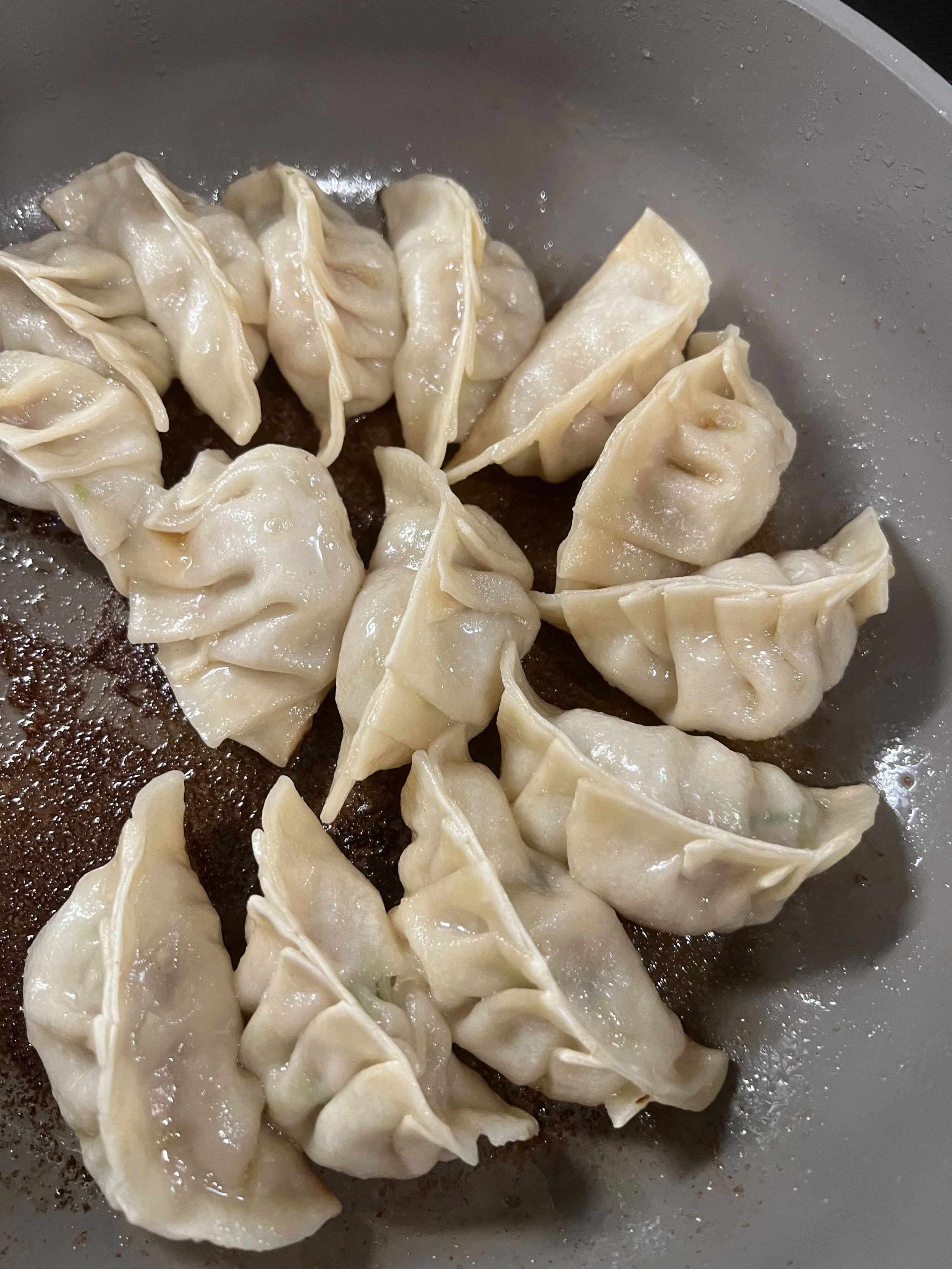
15. Drizzle with sesame oil and turn off heat and carefully remove gyoza from pan.
Plate & Serve
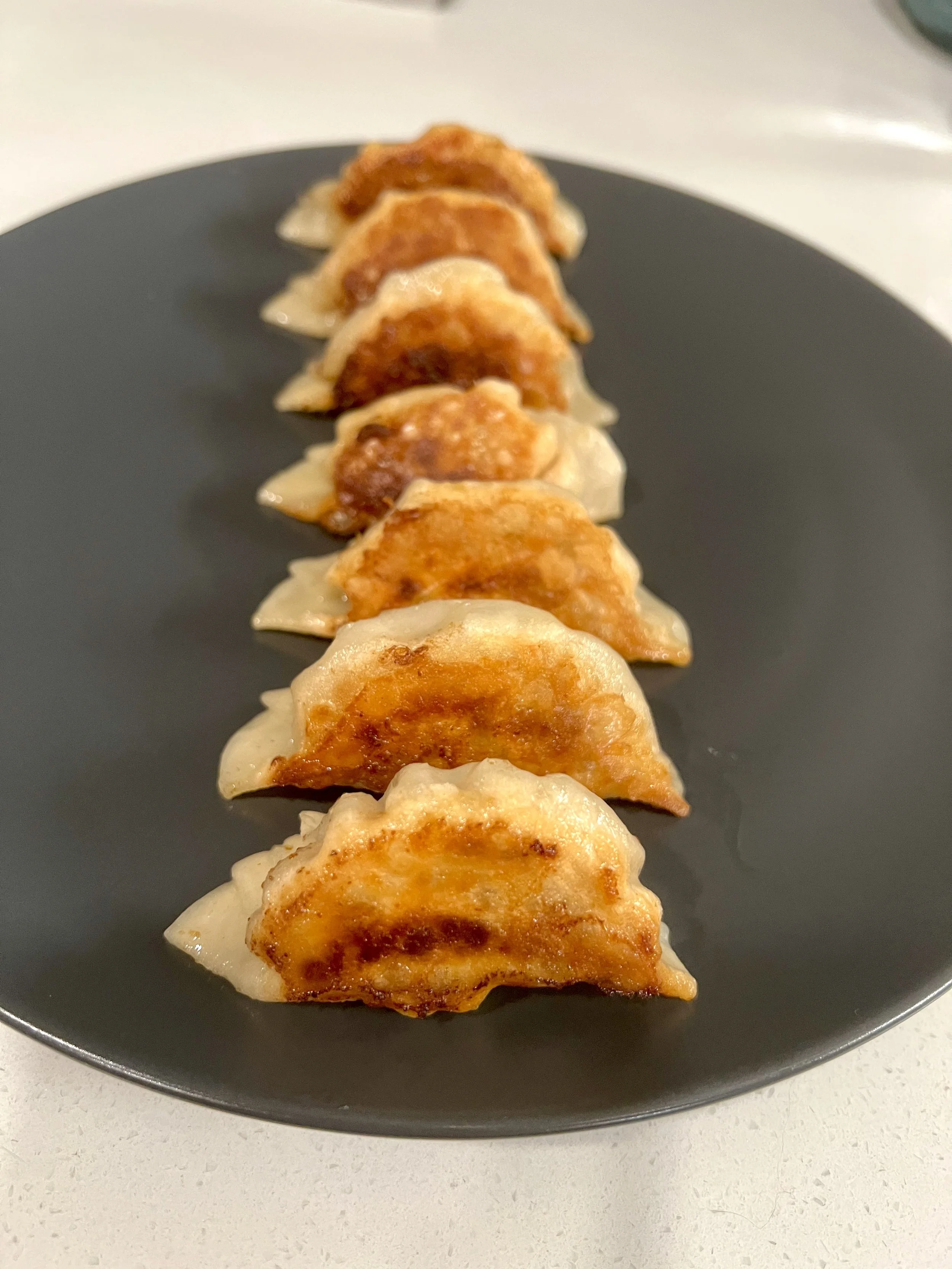
16. Serve gyoza on plate so that the crispy sides are facing up.
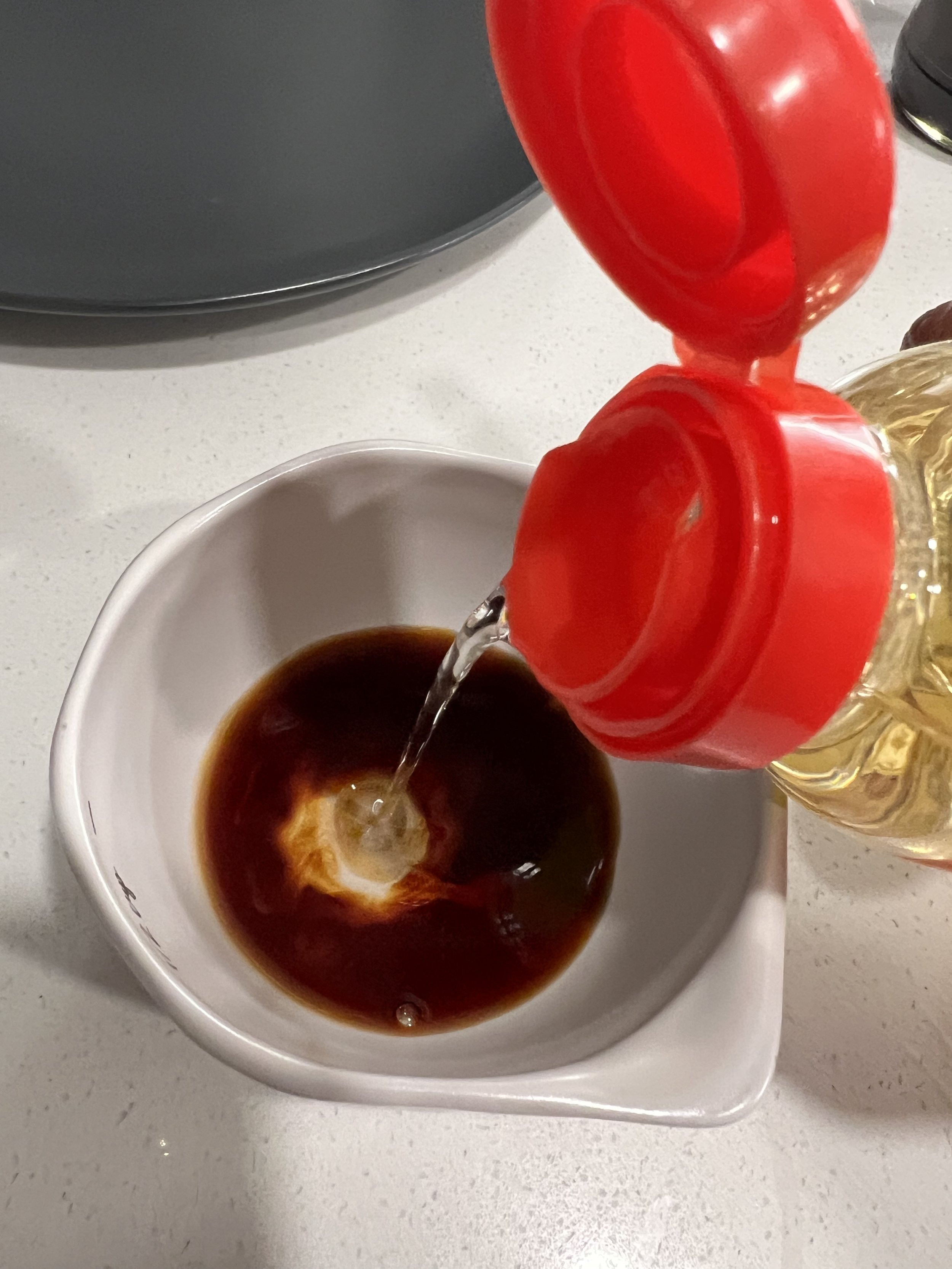
17. Serve with dipping sauce (Soy sauce and mirin 1:1 ratio)
Freezing instructions:
If you end up wrapping too many gyoza you can easily freeze them before cooking. To do this, first flash freeze on a plate and ensure that they’re not touching. Once the skin is frozen, transfer to gallon storage bag or Tupperware.
To reheat, brown gyoza in the pan with oil then steam for 12 minutes.
Cooking gyoza together…
Cooking and enjoying gyoza can be an incredibly enjoyable experience. Although the wrapping process may seem a bit tedious, involving your friends and family in making them together can turn it into a fun-filled activity. Gyoza is a delightful and social food that has a knack for bringing people together, much like the way Spanish tapas do.
If you decide to give this recipe a try, I would love to hear about your experience! Once you've mastered the art of cooking gyoza, I highly recommend experimenting with different fillings. Don't be afraid to unleash your creativity and explore new flavors!
